
Copywriting that performs on purpose
Strategic copywriting for nonprofits, public institutions, and responsible organizations that need clear messaging, memorable campaigns, and language people trust.
Language shapes how ideas are understood.
The right language helps people understand your organization, mission, and why your work matters.
We support with messaging, campaign language, website copy, fundraising, and brand voice, and help organizations communicate complex ideas with clarity and confidence.
Copywriting in Practice
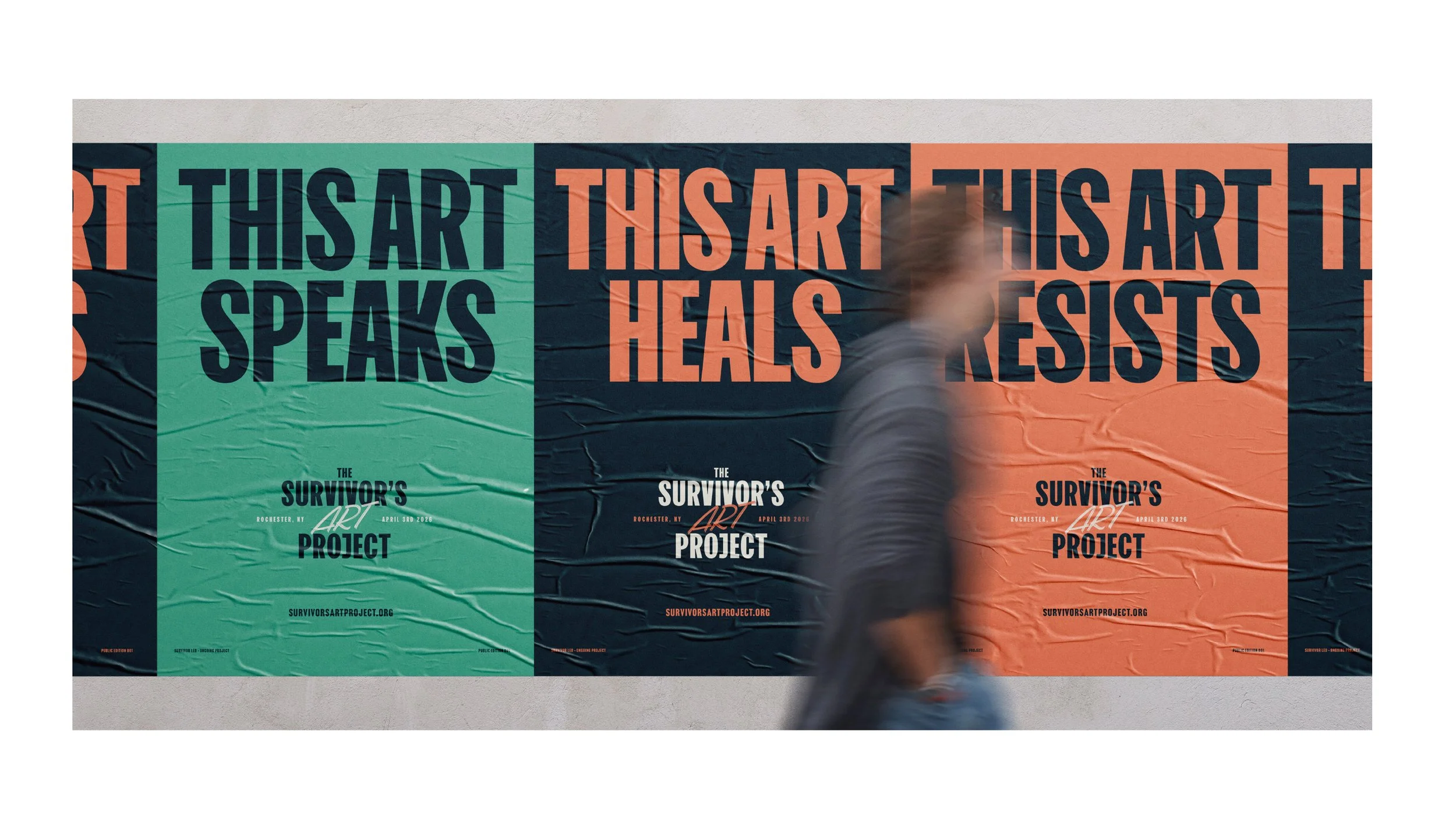
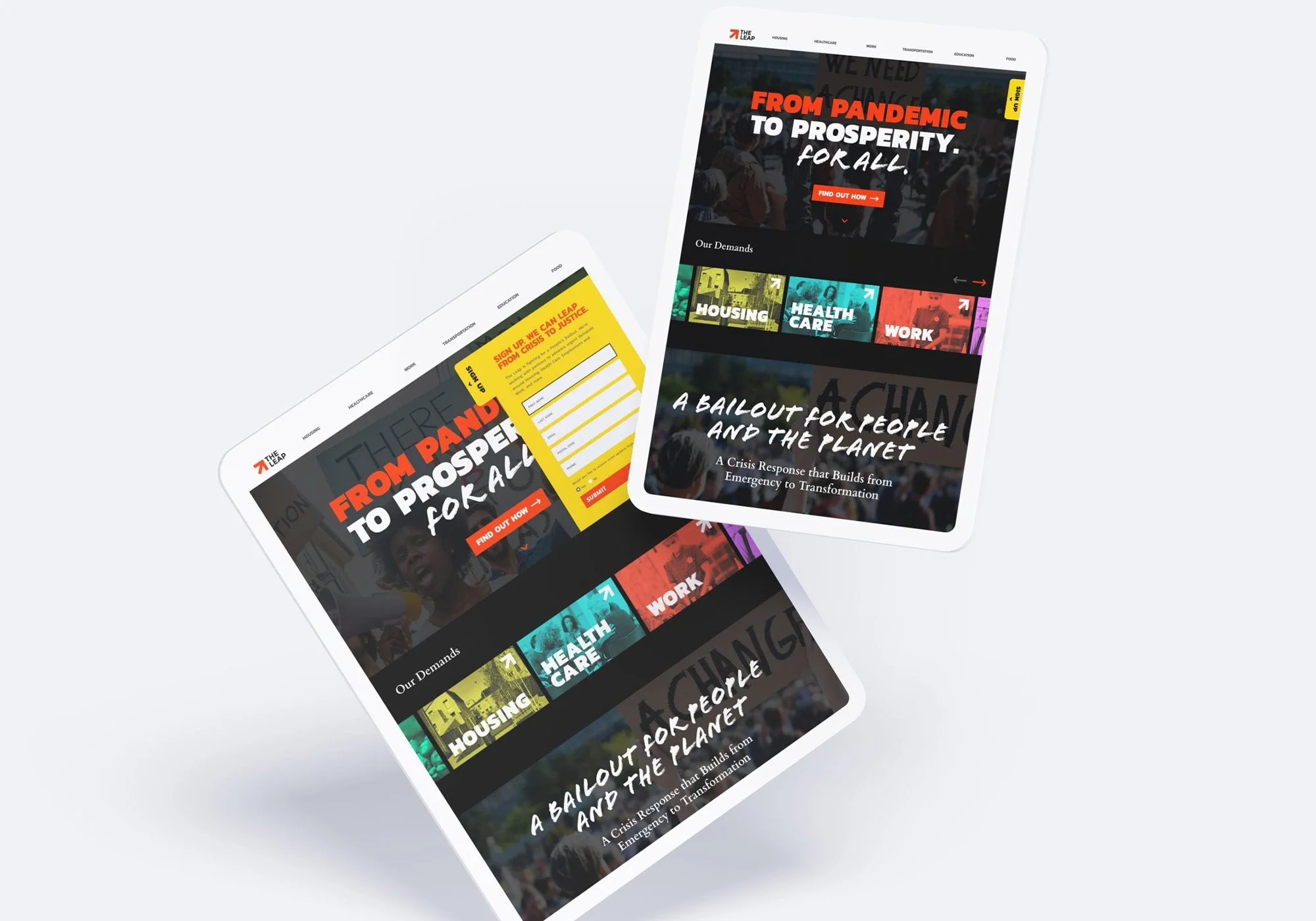
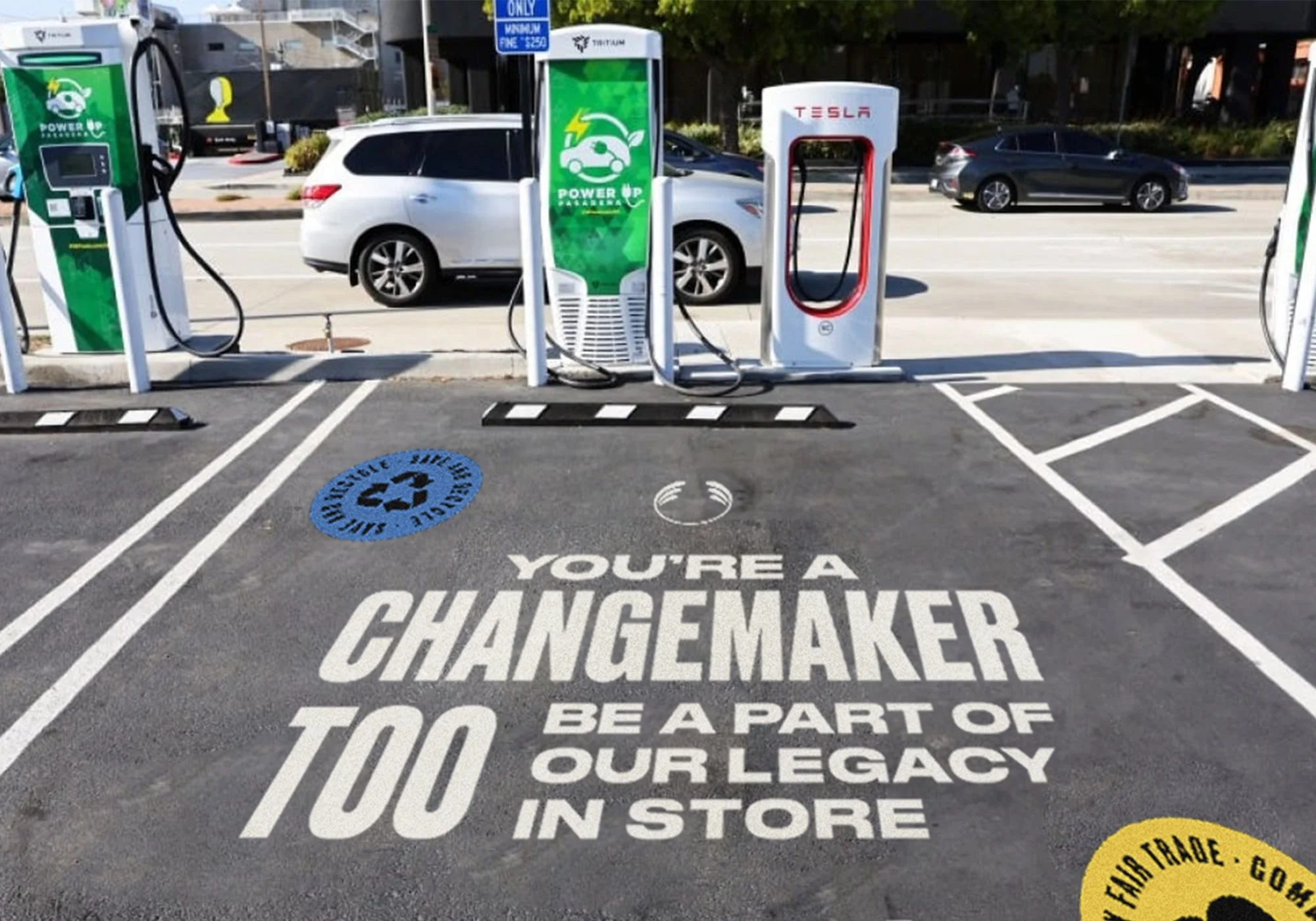
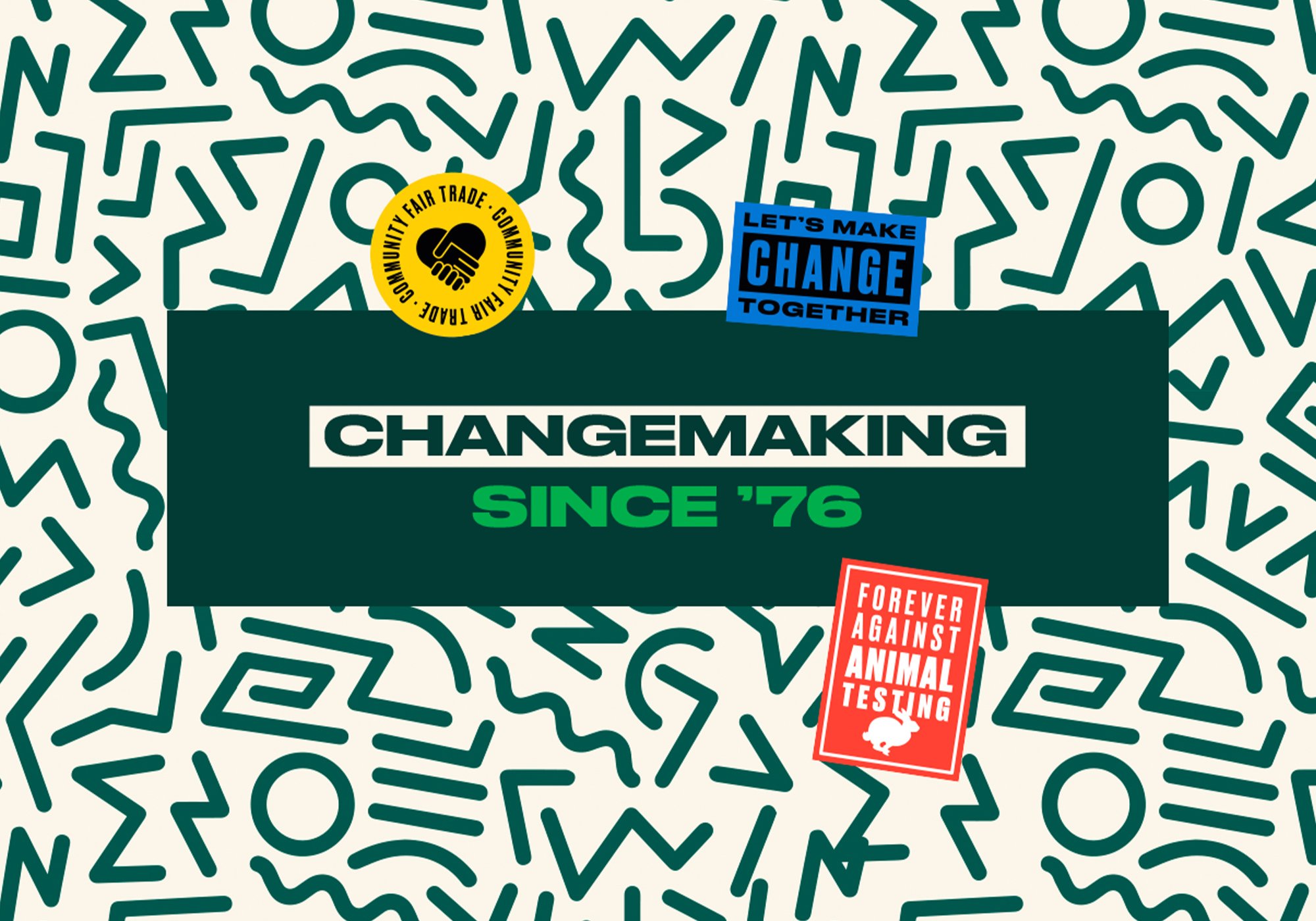
Interested in copywriting services but not sure where to start?
Book a free discovery call and we’ll help you determine what kind of support makes the most sense for your organization.
We collaborated across copywriting, packaging design, logo development, and content, and throughout the entire process they were thoughtful, detail-oriented, and deeply strategic.
They were incredibly supportive while also bringing sharp market insight — helping me refine ideas that weren’t fully clear and offering creative options that made the process feel genuinely co-creative.
— Luna Matatas, Sexual Wellness Educator & SpeakerYour Questions, Answered
-
Copywriting services include more than drafting words. A strong engagement often covers message strategy, audience and keyword research, page structure, brand voice alignment, interviews, draft development, revisions, and final copy for websites, campaigns, emails, fundraising, or other conversion-focused assets. In many cases, the value is not just in better sentences. It is in deciding what needs to be said, in what order, and with what level of clarity.
For nonprofits and purpose-led brands, the scope may also include stakeholder input, accessibility considerations, sensitivity review, and closer attention to how language reflects mission, community, and trust.
-
Copywriting is usually meant to help someone make a decision or take an action. Content writing is often meant to inform, educate, or build ongoing interest. In practice, the line can blur, but the strategic intent is different. A service page, donation page, campaign page, or email sequence usually needs copywriting because the goal is action. A blog article or resource hub often leans more toward content writing.
That distinction matters because buyers often ask for “content” when they actually need sharper messaging, stronger structure, and clearer calls to action. Getting that wrong leads to pages that say useful things without moving anyone forward.
-
Good copy should sound like your organization at its best, not like the agency. That usually starts with discovery: understanding how you describe your work internally, how your audience talks about the problem, what tone feels credible, and what language feels off-brand or overused. Voice is rarely captured by adjectives alone. It comes through in rhythm, specificity, level of formality, and what the copy chooses to emphasize.
A strong process usually includes real examples, stakeholder input, and rounds of feedback that refine voice before the writing is finalized. The goal is not to invent a personality. It is to make your existing one clearer and more consistent.
-
Strong headlines, taglines, and campaign language usually come from strategy before wordplay. The process typically starts by clarifying what the campaign needs to do, what the audience needs to feel or understand, and what idea deserves to be remembered. From there, the work becomes more focused: distilling the message, exploring creative territories, and developing language that is distinctive without losing clarity.
A good process also tests range. Some directions may be more emotional, some more direct, some more provocative, and some more restrained. The goal is not just to land on something clever. It is to find language that fits the mission, works across channels, and gives the campaign a strong verbal core people can recognize and respond to.
-
Bold creative works best when it is grounded in judgment. For nonprofits and purpose-led brands, the goal is not to make the loudest statement in the room. It is to create language that gets attention for the right reasons while still respecting the audience, the subject matter, and the organization behind it. That means understanding where the brand can be expressive, where it needs restraint, and what kinds of framing could weaken trust.
In practice, that balance comes from a thoughtful process: clear strategic goals, audience awareness, stakeholder input, and careful review of tone, representation, and context. Strong campaign copy can be memorable and emotionally sharp without becoming sensationalized, extractive, or off-mission.
-
Inclusive and accessible copy usually starts with plain language, thoughtful structure, and respectful framing. The goal is not to make the writing bland. It is to make it easier for more people to understand, navigate, and trust. That often means reducing jargon, avoiding unnecessary complexity, choosing terms carefully, and checking whether the message assumes too much knowledge, ability, or cultural context.
For mission-driven organizations, inclusive copy also means thinking about who is being centered, who is being spoken about, and whether the writing reinforces distance, stereotypes, or extractive storytelling. Strong review processes help catch those issues before the copy goes live.