
Creative strategy that performs on purpose
We help nonprofits, public institutions, and responsible organizations turn insight into campaigns, messages, and ideas that connect with the people who matter most.
Creative strategy gives ideas direction.
Ideas don't succeed on creativity alone.
They succeed when they're built on a clear understanding of the challenge, the audience, and the action they're meant to inspire.
Through research, insight, messaging, creative territories, and campaign strategy, we help organizations focus their thinking before creative development begins. The result is stronger concepts, clearer communications, and campaigns that resonate across channels.
Creative strategy in practice

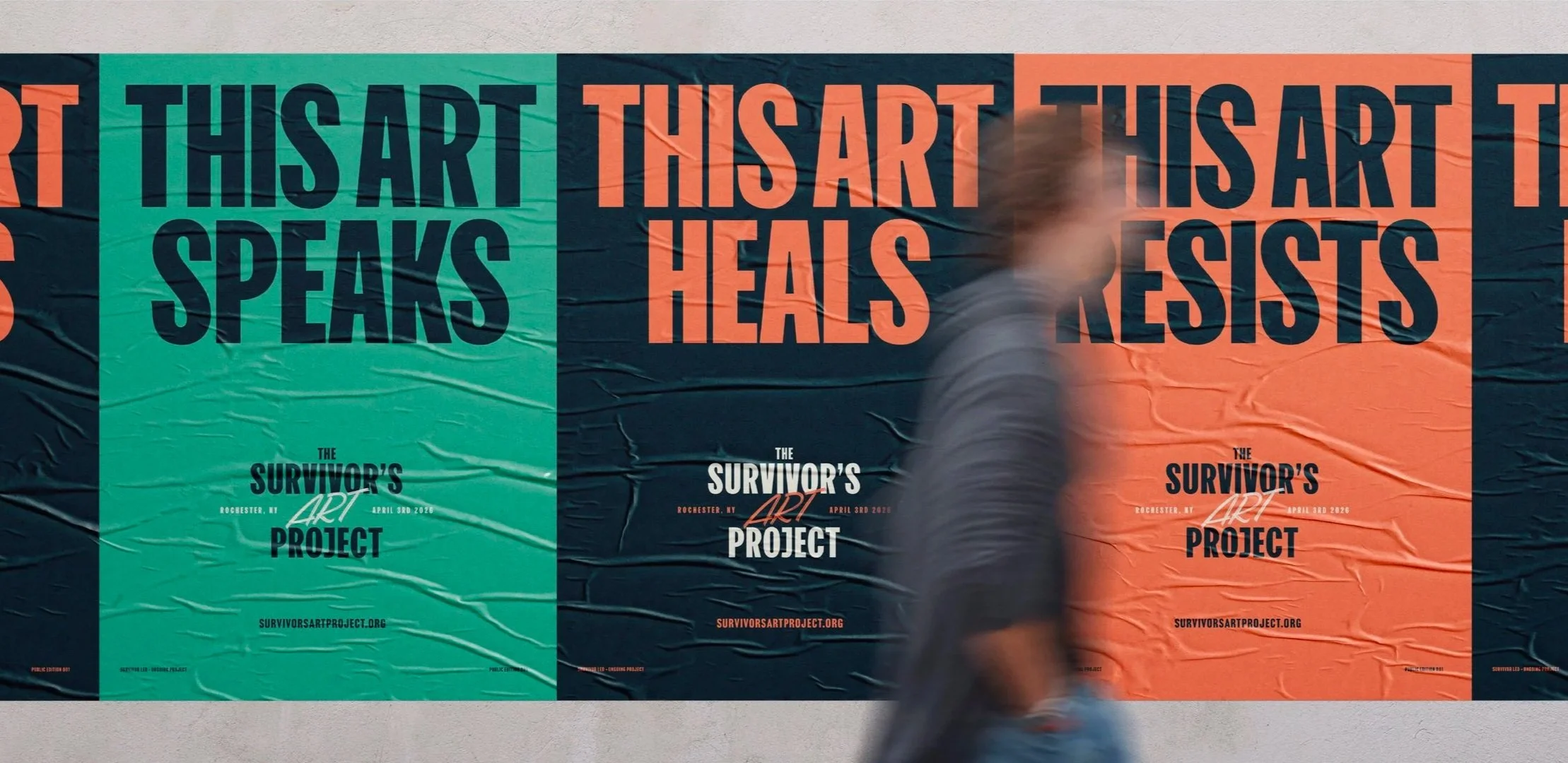
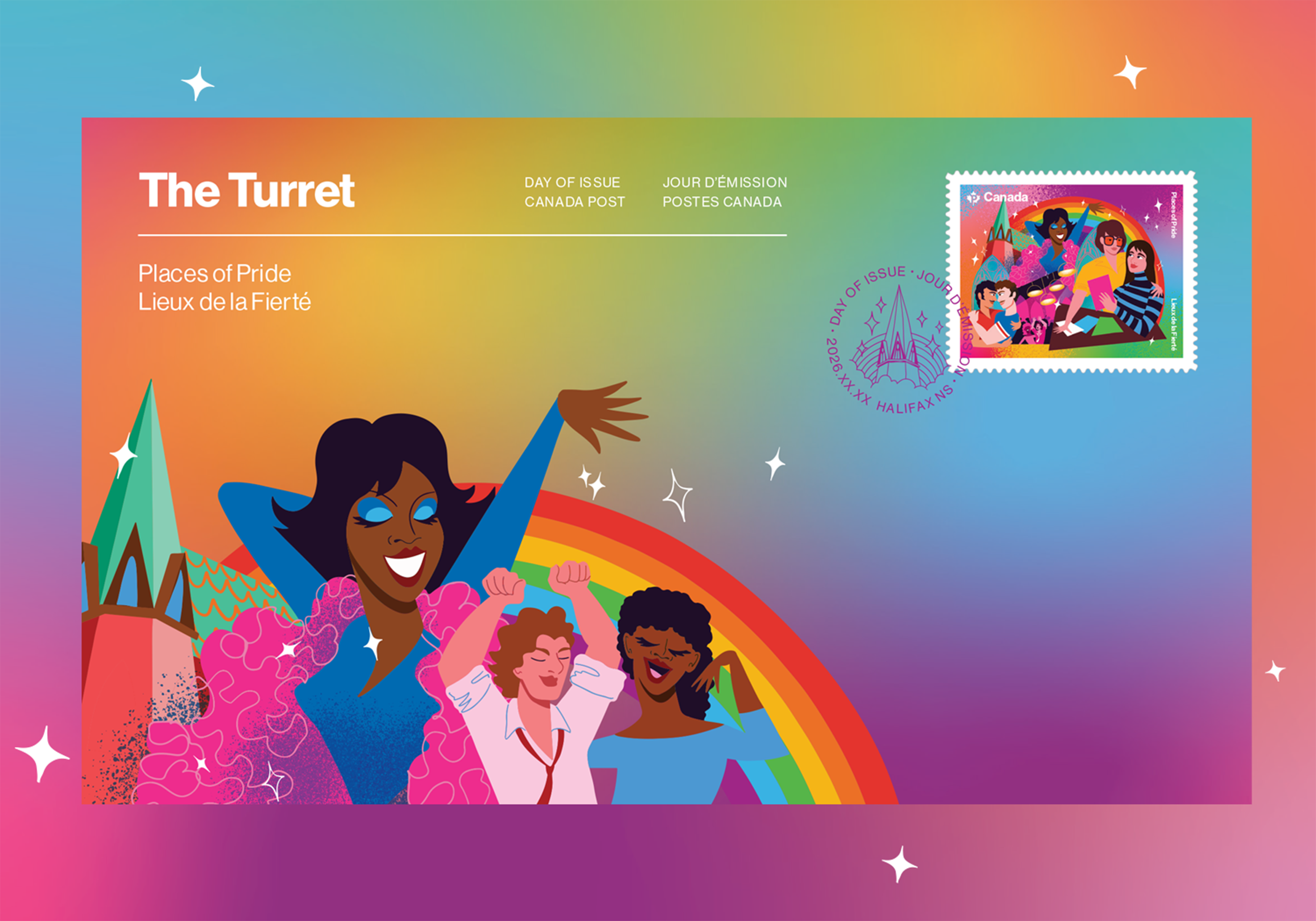
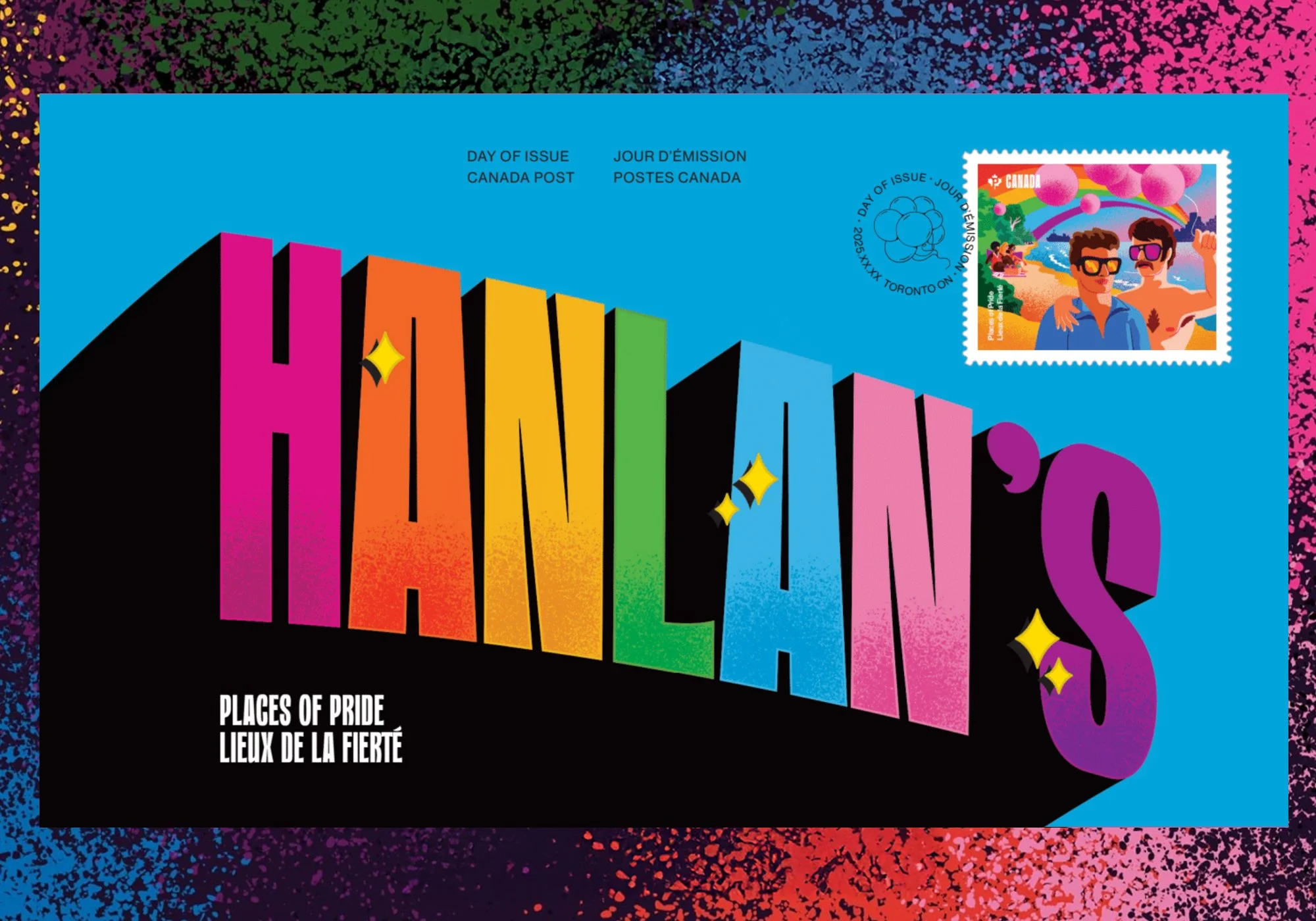
Interested in creative strategy services but not sure where to start?
Book a free discovery call and we’ll help you determine what kind of support makes the most sense for your organization.
“Our experience with Intents & Purposes has been nothing short of amazing. Intents & Purposes came through helping us with branding, design, and thinking through our process to clarify what the Survivor's Art Project is and wants to grow into moving forward.”
— Beth Bloom, Co-Founder, The Survivor's Art ProjectYour creative strategy questions answered
-
Creative strategy services typically sit between big-picture positioning and hands-on execution. In practice, that can include discovery, audience and stakeholder insight, message development, campaign concept development, creative brief creation, thematic territories, decision-making frameworks, and creative direction that helps future design, content, and campaign work stay aligned. The exact scope depends on the challenge. Some organizations need help shaping a single campaign platform. Others need sharper messaging and strategic direction before creative production starts. The real value is not just in generating ideas, but in creating a clearer strategic foundation for better ideas, better approvals, and more coherent execution.
-
Brand strategy is usually broader and more foundational. It focuses on long-term positioning, audience understanding, brand meaning, and the role the organization wants to play in the market or culture. Creative strategy is usually more applied. It translates that direction into campaign ideas, messaging angles, and creative decisions that can guide execution. In some engagements, the two overlap. If the brand is unclear, creative strategy may surface bigger positioning questions. But in many cases, the goal is more specific: helping a campaign, launch, fundraising initiative, or communications effort say the right thing in a way that is distinctive, relevant, and easier to bring to life well.
-
Creative strategy is often the right fit when an organization knows it needs stronger communication, but the path forward is still blurry. That might mean the team has a campaign coming up but no unifying idea, multiple stakeholders with different opinions, messaging that feels too generic, or creative output that looks fine but lacks strategic clarity. It can also be useful when the organization is entering a new phase, launching something important, trying to rally internal alignment, or needing campaign thinking that reflects both audience realities and organizational values. It is usually less necessary when the brief is already sharp and the need is purely executional.
-
You do not need to have everything perfectly defined, but a few things should be clear enough to make the work productive: what you are trying to achieve, who matters most, what constraints or sensitivities exist, who will make decisions internally, and what success should look like. It also helps to know whether the issue is truly strategic or whether the team mainly needs production support. A good agency can help sharpen ambiguity, but it cannot replace internal alignment altogether. The strongest engagements usually happen when there is enough openness for strategic thinking, enough context to make smart decisions, and a realistic commitment to collaboration.