
Graphic design that performs on purpose
Thoughtful, strategic design for nonprofits, public institutions, and responsible organizations that need to communicate with greater clarity, consistency, and impact.
Design shapes understanding.
Every design decision influences what people notice, understand, trust, and remember.
Hierarchy, typography, colour, imagery, layout, and accessibility all shape how clearly a message is received.
Through thoughtful design, we help organizations communicate complex ideas with greater clarity and consistency across campaigns, publications, digital experiences, reports, and brand materials. The result is design that strengthens your message, supports your strategy, and helps people engage with confidence.
Graphic Design in Practice
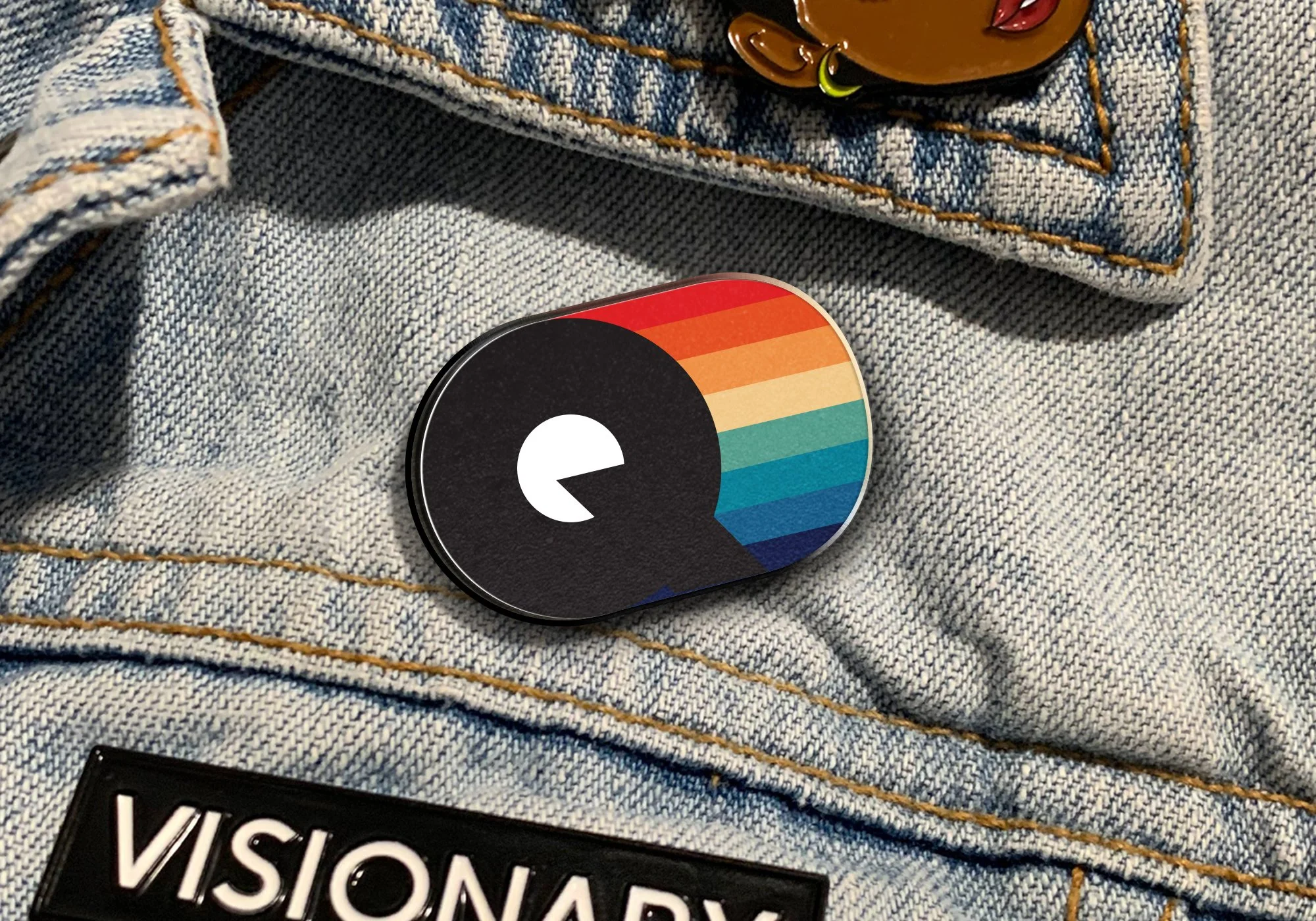
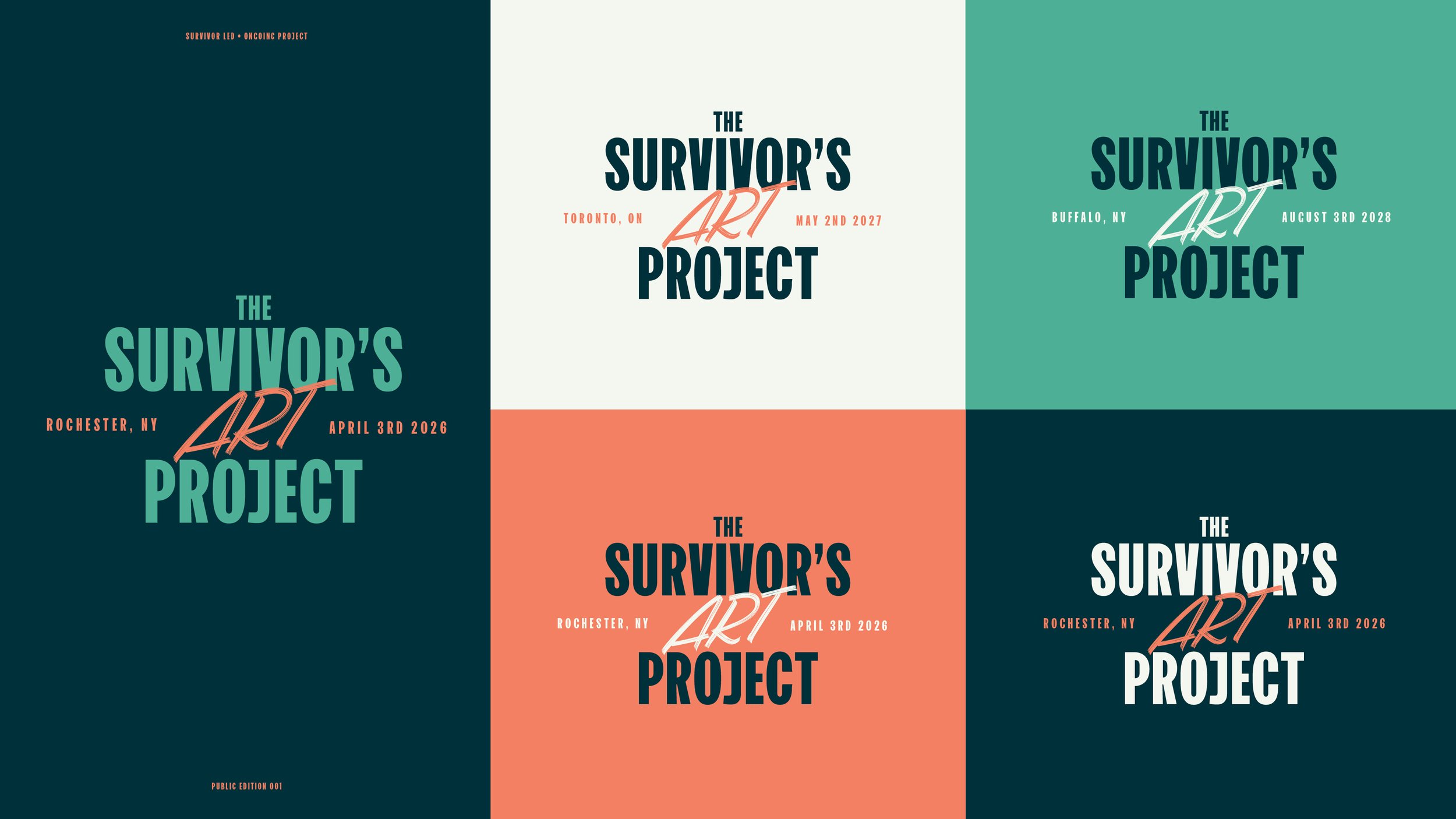
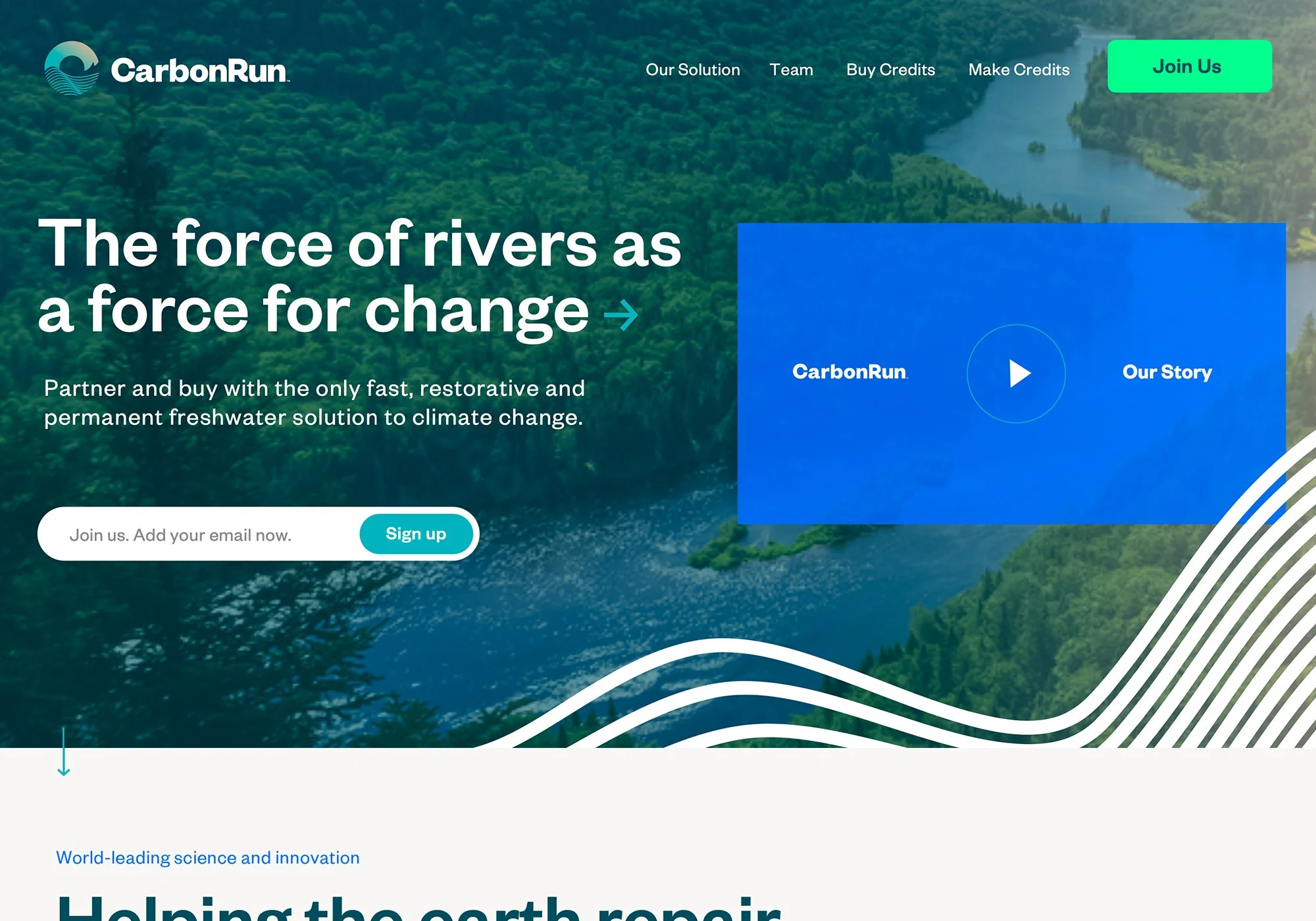
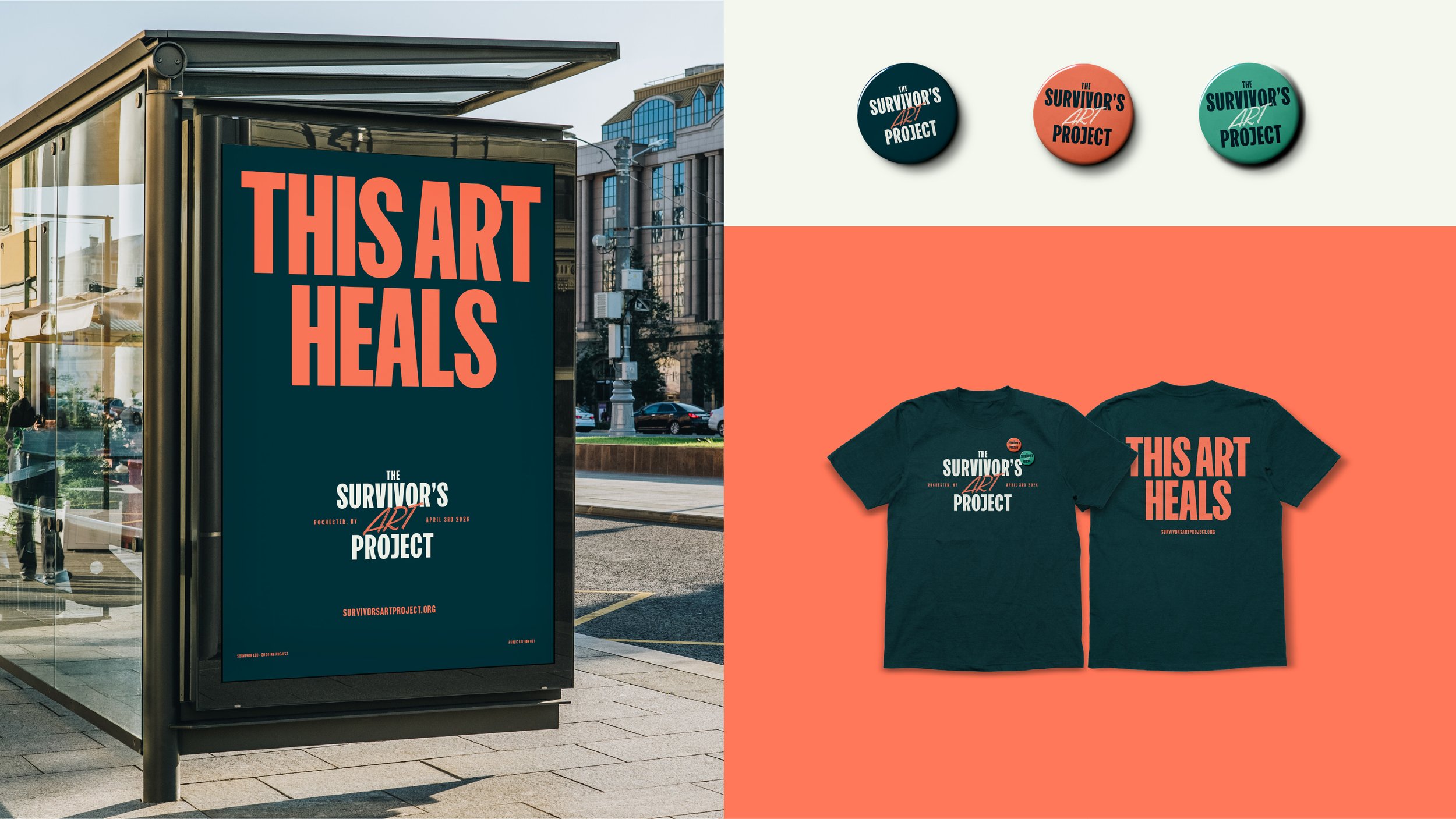
Interested in graphic design services but not sure where to start?
Book a free discovery call and we’ll help you determine what kind of support makes the most sense for your organization.
"They brought thoughtfulness, clarity, and strategic insight to the process. They took the time to understand the sensitivity and importance of the work and helped translate complex medical information into messaging that is accessible, inclusive, and empowering.
Their guidance around tone, design, and layout ensured that the materials feel professional while still being warm and community-centered. The final products exceeded my expectations. I’m incredibly grateful for their creativity, responsiveness, and commitment to meaningful, purpose-driven work. I would highly recommend Intents & Purposes to anyone looking for strategic, values-aligned creative support."
— Dr. Aarti Kapoor, Family Physician: Toronto’s Top Doctors 2022-2026Your Questions, Answered
-
Graphic design services can include a wide range of visual communications, depending on what the organization needs. That may involve campaign assets, reports, presentations, social graphics, print collateral, digital ads, sales materials, publication design, event materials, and branded templates. In some cases, the work is tied to an existing brand system. In others, the design process may also help refine how visual elements are applied across channels. The important distinction is that good graphic design is not just about producing assets. It is about creating materials that communicate clearly, support the brand well, and make the next step easier for the audience.
-
Graphic design and branding are related, but they are not the same thing. Graphic design focuses on the visual communication of specific messages across particular assets or touchpoints. Branding is broader. It includes the bigger picture of how an organization is understood, remembered, and experienced, including positioning, personality, messaging, and visual identity. In practice, graphic design often brings a brand to life. But if the deeper issue is that the organization lacks clarity around who it is, how it should sound, or what it should stand for, a branding engagement may need to come first. Many organizations need both, just not always at the same moment.
-
Effective graphic design does more than look polished. It helps the right people understand the message, notice what matters, and take the intended next step. That usually means the work is grounded in audience understanding, clear hierarchy, strong use of typography and layout, consistency with the brand, and a clear purpose for where and how the asset will be used. Visually attractive work can still underperform if the message is unclear, or the design does not support action. Strong design balances aesthetics with communication, so the end result feels considered, credible, and useful rather than simply decorative.
-
You do not need to have every detail figured out, but a few things should be clear enough to make the engagement productive: what the project is trying to achieve, who it needs to reach, what assets are required, what constraints exist, and how decisions will be made internally. It also helps to know whether the issue is mainly executional or whether there are bigger questions around brand, messaging, or creative direction. A good agency can help sharpen the brief, but the strongest projects usually happen when there is enough context, enough internal alignment, and a realistic understanding of the timeline and review process.